
Mobile Security Assessment
Mobile security assessments are a cornerstone of any comprehensive cybersecurity strategy in today's connected world. With smartphones and tablets now serving as primary gateways to corporate networks, email, cloud applications, and sensitive customer data, the attack surface has expanded far beyond traditional desktops. A thorough mobile assessment examines the full ecosystem—from the apps themselves to the underlying operating systems, device configurations, and the networks they connect through. By identifying vulnerabilities before malicious actors can exploit them, organizations can confidently adopt mobile technologies while keeping their infrastructure protected.
The mobile application layer is often where the most critical weaknesses reside. During an assessment, security experts analyze how apps handle authentication, session management, data storage, and communication with backend services. Common issues such as insecure data caching, weak encryption implementations, and improper certificate validation can expose sensitive information to interception or extraction. Testing also covers reverse engineering resistance, jailbreak and root detection, and the security of third-party libraries embedded within the application. These findings provide a clear roadmap for developers to remediate issues and ship more resilient mobile products.
Mobile security testing extends to the network and device level as well. Wireless connections, including public Wi-Fi and cellular data, introduce risks that must be evaluated in the context of how employees and customers interact with your services. Device management policies, screen lock enforcement, remote wipe capabilities, and the handling of lost or stolen devices all factor into the overall security posture. Additionally, the assessment reviews mobile device management configurations and the security of the enterprise ecosystem that mobile endpoints access, ensuring that every link in the chain is adequately defended against evolving threats.
Beyond technical vulnerabilities, a mobile security assessment helps organizations align with industry best practices and governance expectations. Financial institutions, healthcare providers, educational institutions, and government agencies all face heightened scrutiny regarding the protection of data accessed through mobile channels. The assessment process typically includes a review of security policies, incident response readiness, and compliance with relevant standards and regulatory frameworks. This holistic approach ensures that mobile security is not treated as an afterthought but as an integrated component of the enterprise's overall risk management strategy.
Engaging a specialized security team for mobile assessments brings deep expertise and an unbiased perspective that internal teams may lack. Experienced assessors understand the unique challenges of the mobile landscape, from rapid operating system updates to the fragmentation of device types and versions in use across an organization. The resulting report prioritizes findings by severity and provides practical, actionable recommendations that can be implemented without disrupting business operations. By investing in regular mobile security assessments, organizations can boost growth confidently, reduce the usual worries associated with mobile adoption, and stay ahead of emerging threats in an ever-changing technology ecosystem.
Safeguard Your Mobile App to the Fullest Extent Possible
Mobile Security Requires Equally Fluid, Maneuverable Strategies
The best mobile security solution always takes into consideration the fact that almost any app can have numerous security flaws that can easily be overlooked. These threats may doom the project even before the start of the app development process. Plenty of real-world cases only prove this.
We tackle these problems head-on by conducting mobile app security testing and assessment for both iOS and Android apps, besides implementing a myriad of other preventive tactics that can give you invaluable risk insights.
Benefits of the Service
Anticipate and shoot down potential threats to your mobile app’s security.
Prevent losses that may arise as a result of attacks.
Maintain your brand’s reputation for upholding user data protection.
Learn to lay better foundations for maintaining optimal security in your future app projects.
What to Expect from Our Service
We will conduct full security checks of your Android or iOS app. We use automated vulnerability scans and advanced manual application security assessments to ensure comprehensive monitoring and vulnerability detections. All our services adhere to OWASP ASVS testing frameworks, which is the gold standard for managing mobile application security risks .
Want to better fortify your Android app?
You can do so by:
- Working with our specialized team of VAPT experts and cutting-edge tools to help boost your mobile app security .
- Allowing us to identify and eradicate vulnerability flaws . We’ll also send you regular consolidated reports on potential risks.


Are you having doubts about your iOS app’s ability to address threats?
We’ll quell them by:
- Identifying exploitable security issues.
- Enabling secure extension of business applications on iOS platforms.
- Protecting the integrity and security of sensitive, business-critical data.
Want to further reinforce your app’s security and enjoy broad-spectrum protection?
With the help of OS hardening, we will:
- Develop a secure path for software upgrades, patches, among others.
- Tighten security configuration settings.
- Build reusable OS hardening templates.
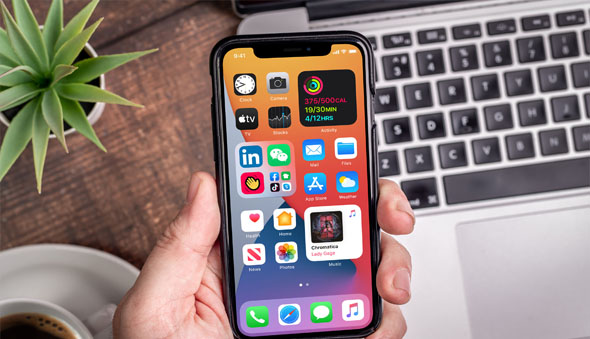
Ensure world-class mobile experiences with
zero compromises on security
What Makes Infoziant’s Mobile Security Service Unique?
We are very much results-driven, so we settle for no less than a zero-compromise, anticipatory approach to boosting app security.
We are very much results-driven
So we settle for no less than a zero-compromise
Anticipatory approach to boosting app security.
Get A Quick Consultation
Are you looking for a solution to a confusing security issue? Ask our customer service team for assistance right away.
Get A Quick Consultation
Why is it important to conduct regular security tests on mobile apps?
Testing provides important insights that can help you block future attacks, which is always the most cost-effective route to take. It gives you the freedom to change and grow your app’s code and architecture without fear of leaving it more vulnerable.
What are the top prevailing threats to mobile apps?
Data leakages and phishing attacks remain primary concerns. It doesn’t help that setups like BYOD and the integration of tech like IoT are creating even more security challenges to mobile apps.